


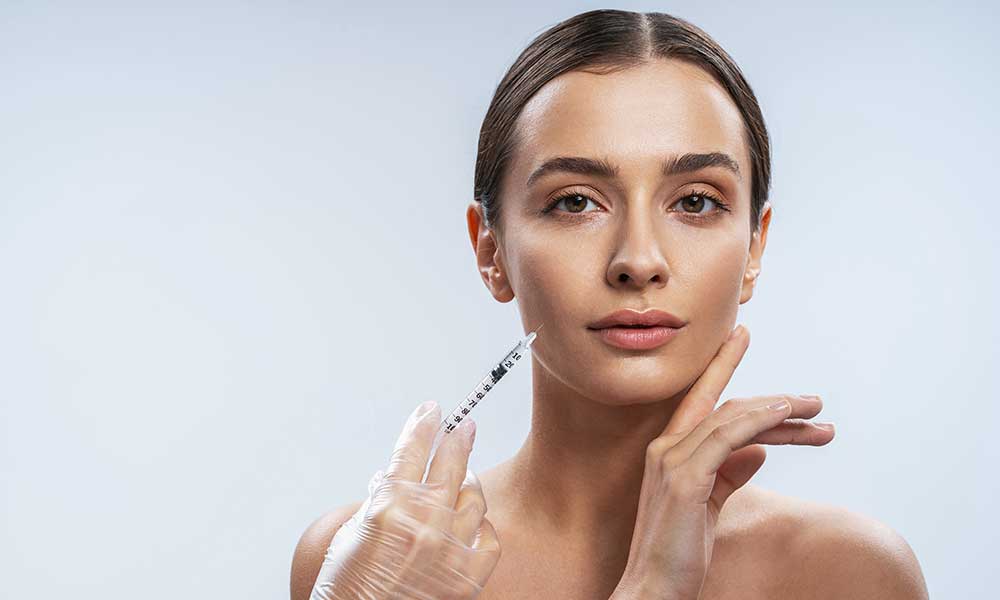
Today, with technological advancements in the fields of aesthetics and beauty, many people are turning to various cosmetic procedures to reduce the signs of aging and maintain a youthful appearance. One of the most prominent of these procedures is facial Botox! When administered correctly, facial Botox is an effective method for achieving a younger and fresher appearance while preserving the face’s natural expression.
What Is Facial Botox?
Botox is a substance derived from a protein called botulinum toxin type A. Facial Botox is based on the principle of temporarily halting muscle activity by injecting this substance into specific areas. It typically targets the forehead, the lines between the eyebrows, and wrinkles around the eyes.
Facial Botox and Natural Facial Expression Balance
When applied correctly, facial Botox provides a more youthful appearance by reducing unwanted wrinkles without freezing the person’s facial expressions. This preserves the face’s natural expression, allowing the person to maintain their emotional expressions. After the procedure, there is no feeling of stiffness in the face, and a fresher, more vibrant appearance is achieved.
In Which Cases Is Facial Botox Recommended?
Facial Botox is generally considered in the following situations:
- Forehead Lines: It can be used to reduce horizontal lines that form on the forehead.
- Glabellar Lines: It can help soften the appearance of vertical lines between the eyebrows.
- Wrinkles Around the Eyes: It aims to achieve a more youthful appearance by reducing wrinkles around the eyes.
- Neck Wrinkles: In some cases, it can also help reduce wrinkles in the neck area.
How Is Facial Botox Administered?
The general steps of the procedure are as follows:
- Anesthesia: The procedure generally does not require local anesthesia, as it is quite well-tolerated. However, depending on skin sensitivity or personal preference, some patients may apply a topical anesthetic cream or use ice during the procedure.
- Botox Injections: Botox injections are administered to the designated areas. Botulinum toxin is injected into the muscles using a fine needle. Botox works by temporarily blocking muscle contractions, thereby reducing wrinkles.
- Treatment Areas: Facial Botox is most commonly administered to areas such as the forehead, around the eyes (crow’s feet), between the eyebrows, around the nose, and around the mouth. It can be applied to different areas depending on the individual’s needs and preferences.
- Procedure Duration: The procedure typically takes 15 to 30 minutes. This duration may vary depending on the number and size of the treatment areas.
- Recovery Period: The effects are not immediately visible after the procedure. Full results usually become apparent within a few days to a week.
- Duration of Effect: The results of facial Botox are temporary. The effects generally last between 3 and 6 months.
What Are the Benefits of Facial Botox?
Facial Botox offers many benefits. These benefits are as follows:
- Ease of Application: The procedure is generally quick and painless. After the treatment, individuals can return to their daily activities immediately.
- Quick Results: Noticeable results are achieved within a few days after the procedure. This provides a quick skin rejuvenation experience.
- Preservation of Facial Expressions: Although facial Botox temporarily stops muscle movement, it does not cause you to lose your natural facial expressions. This ensures that your facial expressions remain intact.
- Youthful and Fresh Appearance: By reducing the appearance of wrinkles and lines on your face, it provides a more youthful and fresh look.
- Low Risk: The procedure is generally low-risk, and side effects are rare.
Who Should Not Undergo the Procedure?
Facial Botox is generally suitable for healthy individuals over the age of 18. However, it is not recommended for the following individuals:
- Individuals with a history of adverse reactions to cosmetic procedures
- Individuals with muscle disorders or nervous system conditions
- Pregnant or breastfeeding women
- People with bleeding disorders or those taking blood-thinning medications
- Individuals with weak facial muscles
- People with an allergy to botulinum toxin