


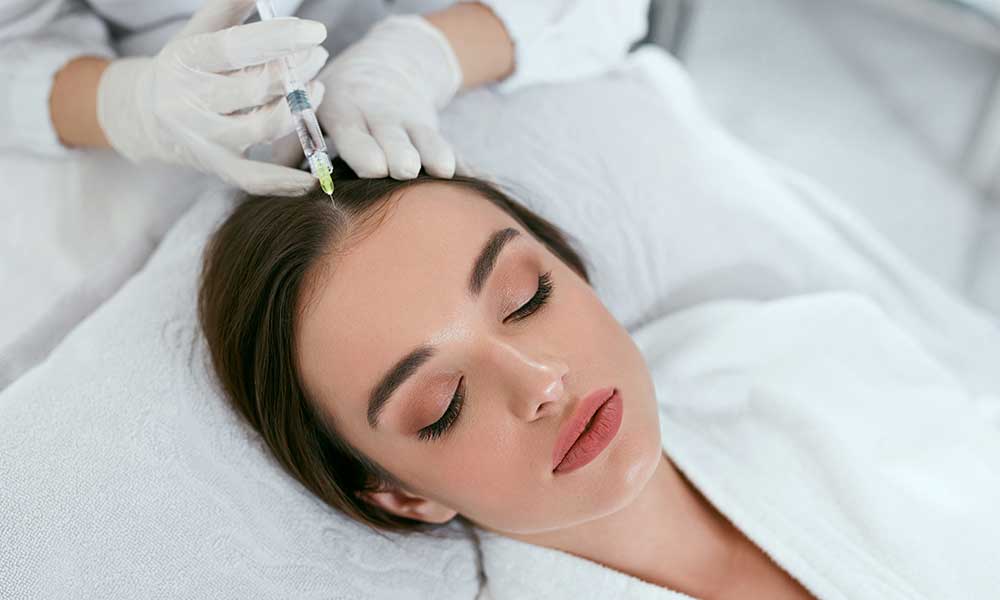
Hair loss is a problem that negatively affects daily life for many people. For this reason, hair mesotherapy has become increasingly popular among the solutions offered by modern medicine. This procedure is an effective treatment option aimed at nourishing hair follicles and preventing hair loss.
What Is Hair Mesotherapy?
Hair mesotherapy is a treatment method that involves injecting a special mixture of vitamins, minerals, amino acids, and other nutrients into the scalp. This mixture nourishes hair follicles, increases blood circulation, and helps revitalize hair follicles. It is typically used to prevent hair loss, improve hair quality, and address baldness issues.
How Is It Performed?
The hair mesotherapy procedure begins by identifying the causes of hair loss and determining the treatment area. Next, a special mixture is prepared for injection into the scalp. This mixture contains the nutrients needed by the hair roots and follicles.
During the procedure, this mixture is injected into the scalp using a fine needle or cannula. The injections are generally limited to mild discomfort and do not require anesthesia.
Who Is It Suitable For?
Hair mesotherapy is frequently used in the following situations:
- Improving Overall Hair Health: It can be used to improve the overall health of the hair and make the strands stronger and shinier.
- Male- and Female-Pattern Hair Loss (Androgenetic Alopecia): This is the most common type of hair loss. Mesotherapy is used to treat both male- and female-pattern hair loss. In this condition, hair follicles gradually shrink, and the hair becomes thinner. Mesotherapy is used to revitalize hair follicles and promote hair growth.
- Hair Loss Triggered by Stress or Other Causes: Factors such as stress, nutritional deficiencies, or hormonal changes can trigger hair loss. Mesotherapy can be used to manage hair loss caused by these factors.
- Filling in Gaps Caused by Hair Loss: Some people experience gaps in their hairlines or scalp areas due to hair loss. Mesotherapy can be used to fill in these gaps and make the hair appear fuller.
- Increasing Hair Density in Men and Women: It is an option for men and women who want their hair to look thicker and denser.
- Improving Overall Hair Health: Mesotherapy for hair can improve overall hair health by supplying hair follicles with essential vitamins, minerals, and nutrients.
What Should You Keep in Mind After Hair Mesotherapy?
The following precautions should be taken after a mesotherapy procedure:
- Follow the Doctor’s Instructions: It is important to strictly follow the instructions provided by the doctor after mesotherapy. These instructions cover what to watch for after the procedure and any special care requirements.
- Hair and Skin Care: Special care must be taken with hair and skin after hair mesotherapy. It is particularly important to select and use shampoos, conditioners, and other care products in accordance with the doctor’s recommendations.
- Sun Protection: Sunlight can be harmful to skin that has become more sensitive following mesotherapy. Therefore, it is important to use sunscreen and, if possible, avoid sun exposure after the procedure.
- Alcohol and Smoking: Just as they affect overall health, alcohol and smoking can also have negative effects following hair mesotherapy. Therefore, it is important to limit alcohol consumption and avoid smoking after the procedure.
- Second Session and Follow-Up Appointments: It is important to attend the follow-up appointments recommended by your doctor regularly and to schedule a second session when necessary to ensure the treatment’s success. During these appointments, the condition of your hair is evaluated, and any necessary adjustments are made.
- Natural Hair Care: Hair mesotherapy not only strengthens hair follicles but can also improve the appearance of hair strands. Natural hair care methods can be used to support hair health following hair mesotherapy.
Hair mesotherapy is a treatment option that offers an effective solution for hair loss and baldness. However, since each individual’s situation is different, it is important to consult a specialist before the procedure and develop a personalized treatment plan.