


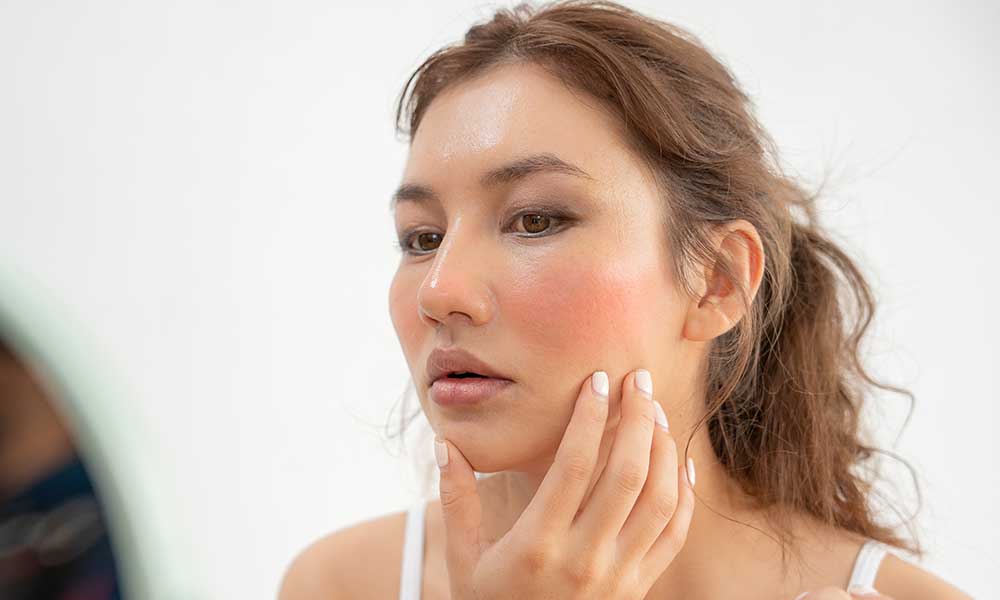
Skin redness is a common problem experienced by many people. This is because redness can arise from various causes, such as allergic reactions, skin sensitivity, acne, rosacea, or eczema. One way to manage these types of skin issues is to review your dietary habits. By consuming the right foods, you can maintain your skin’s natural balance and reduce redness.
Factors That Cause Skin Redness
Skin redness can result from many different causes. Some of these causes are listed below:
- Allergic Reactions: Certain foods, cosmetics, or environmental factors can trigger allergic reactions and redness on the skin.
- Rosacea: A chronic skin condition characterized by facial redness, inflammation, and sometimes small, red, inflamed bumps.
- Eczema: A chronic skin condition that causes itching, redness, and inflammation.
- Acne: Acne causes inflammation and redness on the skin.
- Skin Sensitivity: Skin sensitivity can develop due to skin care products or external factors.
Dietary Recommendations to Reduce Skin Redness
Changes you can make to your diet to reduce skin redness can have a positive effect on your skin health. Here are some dietary recommendations to consider:
Antioxidant-Rich Foods
Antioxidants protect skin health by preventing free radicals from damaging skin cells. Therefore, you can reduce skin redness by consuming antioxidant-rich foods. These foods include:
- Strawberries, Blackberries, Blueberries: Fruits high in antioxidants can help reduce inflammation in the skin.
- Green Leafy Vegetables: Vegetables such as spinach, kale, and broccoli are packed with vitamins and minerals that support skin health.
- Nuts and Seeds: Foods such as walnuts, almonds, and chia seeds contain vitamin E and omega-3 fatty acids, which are beneficial for skin health.
Omega-3 Fatty Acids
Omega-3 fatty acids can help reduce redness by reducing inflammation in the skin. Sources of omega-3 fatty acids you can consume to help with skin redness include the following:
- Salmon and Other Fatty Fish: Fish such as salmon, sardines, and mackerel are high in omega-3s.
- Chia Seeds and Flaxseeds: These seeds are plant-based sources of omega-3 and support skin health.
- Walnuts: Walnuts contain fatty acids that are beneficial for the skin and can help reduce inflammation.
Probiotics
Probiotics positively impact skin health by supporting gut health. A healthy gut flora can help reduce skin redness. Foods containing probiotics include the following:
- Yogurt and Kefir: These fermented dairy products are rich in probiotic bacteria.
- Sauerkraut and Kimchi: Fermented vegetables contain probiotics that support gut health.
- Kombucha: Kombucha, a fermented tea, is a beverage rich in probiotics.
Vitamin- and Mineral-Rich Foods
Certain vitamins and minerals can help reduce skin redness by supporting skin health. In this regard, you can specifically add the following vitamins and minerals to your diet:
- Vitamin C: Vitamin C-rich foods such as oranges, kiwis, strawberries, and bell peppers help the skin heal by increasing collagen production.
- Vitamin E: Foods containing Vitamin E—such as almonds, walnuts, and avocados—protect the skin and reduce inflammation.
- Zinc: Zinc-rich foods like meat, pumpkin seeds, and lentils are important for skin health and can help alleviate skin problems such as acne.
Water Intake
Drinking plenty of water helps maintain the skin’s moisture balance and aids in the elimination of toxins. Therefore, you should make sure to drink at least 8 glasses of water a day. Water intake plays an important role in reducing dryness and redness in the skin.
Foods to Avoid
It’s also important to avoid certain foods if you have skin redness. The foods you should steer clear of are as follows:
- Processed Foods: Processed foods such as fast food, chips, and sugary snacks can increase inflammation in the skin.
- Sugar: Excessive sugar consumption can increase inflammation in the skin, leading to acne and redness.
- Alcohol: Alcohol can dry out the skin, causing redness and irritation.
- Spicy Foods: Spicy foods can cause redness on the skin in some people.
Adopting healthy eating habits is crucial for managing skin redness. You can support your skin health and reduce redness by consuming foods rich in antioxidants, omega-3 fatty acids, probiotics, and vitamins and minerals. In addition, drinking plenty of water and avoiding foods that can negatively affect skin health also helps keep your skin healthier and more balanced. Pay attention to your diet for healthy skin, and be sure to meet your skin’s needs.
Remember, taking good care of your skin is an important part of improving your overall health and quality of life!