


Today, many people consume alcohol as part of social interactions or as a way to cope with stress. However, just as the effects of alcohol on internal organs should not be overlooked, neither should its effects on skin health. In particular, regular and excessive alcohol consumption can disrupt the skin’s natural balance, leading to dryness and redness. Therefore, it is important to be informed about the effects of alcohol on the skin and to take the necessary precautions.
What Are the Effects of Alcohol on the Skin?
In addition to its effects on internal organs, alcohol consumption also has numerous effects on the skin. So, what are these effects?
Dry Skin
Alcohol is a substance that causes dehydration. When consumed, the body loses water, which leads to dry skin. Furthermore, alcohol’s diuretic effect causes the body to rapidly expel water. As a result, the dehydrated skin loses its elasticity and becomes more prone to wrinkles.
Redness and Vasodilation
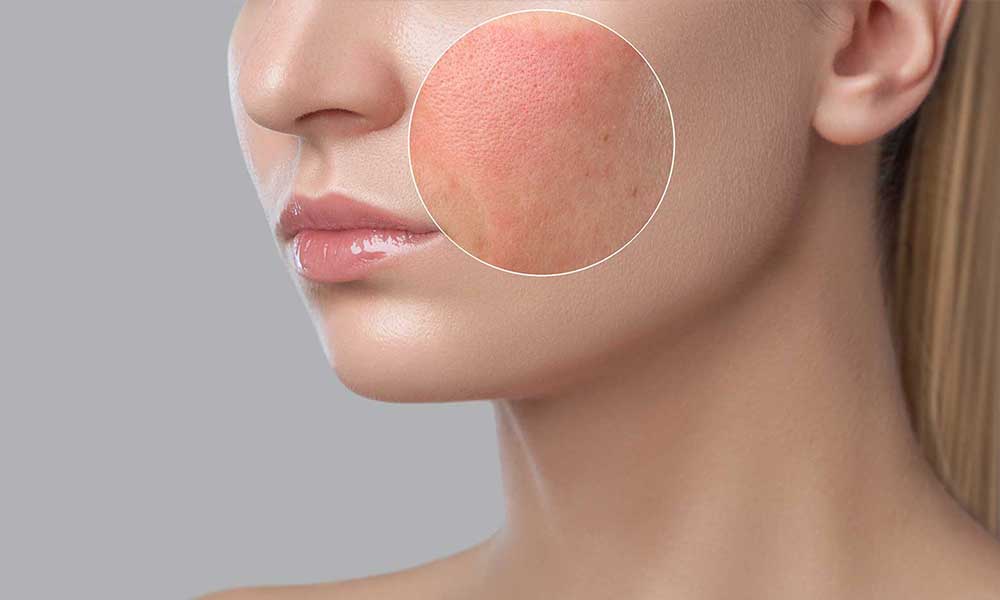
Alcohol can increase blood flow to the skin. This can cause the skin to flush and blood vessels to dilate. In particular, during alcohol consumption, the blood vessels in the face dilate, causing the skin to flush. In the long term, this can lead to permanent redness and the appearance of more visible blood vessels on the skin.
Effect on Oil Balance
The skin produces a natural oil barrier. This barrier helps keep the skin moisturized. However, alcohol can affect this oil barrier. This is because alcohol can increase the skin’s oil production, which can make the skin appear oily and shiny. On the other hand, in some cases, alcohol can disrupt the skin’s oil balance, leading to dryness.
Antioxidant Deficiency and Damage
Among the effects of alcohol on the skin is a reduction in the skin’s antioxidant levels. Antioxidants help the skin stay young and healthy by fighting free radicals. However, alcohol consumption can lower antioxidant levels, leaving the skin vulnerable to free radicals. This can lead to the appearance of signs of premature aging on the skin.
Effect on Inflammation
Excessive alcohol consumption can cause inflammation in the skin. This can pave the way for the development of pimples, acne, and other skin problems. Additionally, alcohol’s effects on the liver can negatively impact the skin’s overall health.
Recommendations for Addressing Alcohol-Related Skin Problems
Given the effects of alcohol on the skin, it is essential to take preventive measures. The following are recommendations you can consider to address skin problems caused by alcohol consumption:
- Pay Attention to Water Intake: Drinking enough water after consuming alcohol can help prevent dehydration and maintain the skin’s moisture balance.
- Choose Your Skincare Products Carefully: Skin needs can vary from person to person. Opt for alcohol-free skincare products that are moisturizing and soothing. Individuals with sensitive skin should avoid products containing alcohol.
- Adopt an Antioxidant-Rich Diet: Adding antioxidant-rich foods to your diet can help protect your skin against free radicals.
- Pay Attention to Sun Protection: Alcohol can make the skin more sensitive to sunlight. Therefore, it is important to use an appropriate sunscreen when going out in the sun.
- Get Regular Skin Checkups: Monitoring changes in your skin and getting regular skin checkups are important for detecting potential problems early on.
- Seek Professional Help: If you’re experiencing noticeable skin problems or are unable to manage the effects of alcohol on your skin, it’s important to seek professional help. A specialist doctor will create a skincare plan tailored to your skin type and needs.
- Manage Stress: Alcohol consumption is often linked to stress. Stress can negatively affect skin health. Therefore, learning and practicing stress management techniques can help support your skin health.
*This content is for informational purposes only. Consult your doctor for diagnosis and treatment.